
Viral diseases
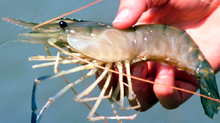
Viral diseases
Shrimp is an important commodity in international trade accounting for 15 % in terms of value of internationally traded seafood products which reached about $110.00 billion in 2011. Aquaculture contributes to over 50 % of global shrimp production. One of the major constraints faced by shrimp aquaculture is the loss due to viral diseases like IHHNV, YHV, TSV, WSSV, and IMNV. There are several examples of global spread of shrimp diseases due to importation of live shrimp for aquaculture. Though millions of tonnes of frozen or processed shrimp have been traded internationally during the last two decades despite prevalence of viral diseases in shrimp producing areas in Asia and the Americas, there is no evidence of diseases having been transmitted through shrimp imported for human consumption.
The sustainability and development of shrimp aquaculture are largely at stake as significant ecological and pathological problems are increasing in the vast majority of the shrimp producing countries. Prevention and control of diseases are now the priority for the durability of this industry.
In history, WSSV (White Spot Syndrome Virus) has delivered a lethal blow to the global shrimp farming industry during 1993-1994. It is so virulence that it can kill whole pond of shrimp within a day after the pond is infected. There are more shrimp viral diseases which lead to high mortality rate that affect the production and growth of shrimp industry, furthermore the economy of shrimp producing countries.
Despite all the impacts brought by shrimp viral infection, the global shrimp industry has little awareness toward the importance of constant monitoring of the viral infection in each cycle of shrimp industry (broodstock, hatchery, nursery and grow-out).
The major viral diseases of shrimp:
- White Spot Syndrome Virus (WSSV)
- Infectious Hypodermal and Hematopoietic Necrosis Virus (IHHNV)
- Monodon Baculovirus (MBV)
- Infectious Myonecrosis Virus (IMNV)
- Taura Syndrome Virus (TSV)
- Yellow Head Virus (YHV)
- Hepatopancreatic Parovirus (HPV)
- Address
- Neospark Drugs and Chemicals Private Limited Corporate Center,
241, B.L. Bagh, Panjagutta,
Hyderabad- 500 082,
Telangana, India.
- Product Groups
- Poultry
- Large Animal
- Aquaculture
- Feed
© 2026 Neospark Drugs and Chemicals Private Limited